[概要]
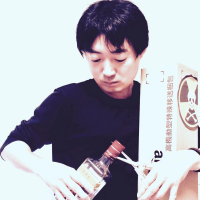
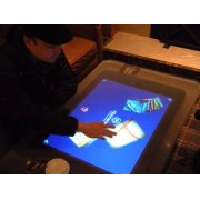
定員30名に対し、40名以上の参加があり大盛況なイベントでした。
広島原爆ドームにほど近い「サテライトキャンパスひろしま」を会場とし、5つのテーマで活発なディスカッションが行われました。
[日 時] 平成26年11月21日(金)13:30~17:00(開場13:00)
[場 所] サテライトキャンパスひろしま
(広島県広島市中区大手町1-5-3)
[定 員] 30名
[主 催] ひろしまIT融合フォーラム
(一財)日本情報経済社会推進協会・gコンテンツ流通推進協議会
[共 催] 経済産業省,総務省
[後 援] 中国経済連合会,(一社)広島県情報産業協会,
中国情報通信懇談会,LODチャレンジ実行委員会,Code for Japan
[協 力] オープン・ナレッジ・ファウンデーション・ジャパン
[参加費] 無料
[プログラム]
13:00 開場
13:30 開会
ライトニングトーク
ディスカッション
以下5つのテーマに基づきディスカッション
・地域コミュニティが活性化する街に
・バスを利用しやすい便利な街に
・いざという時のための防災情報/お助け情報
・道路や橋の効率的な管理の実現
・広島にもっと人を呼ぼう
結果発表
17:00 閉会
17:15 懇親会
[テーマ概要]
テーマ1:地域コミュニティが活性化する街に(地域振興)
地域コミュニティの活動の核となる町内会、自治会について、近年、加入率の低下や会を運営する人の高齢化等により、その会の運営に大きな支障が出ており地域コミュニティ活動の低下が懸念され、これを活性化させることが重要な課題となっている。
その他、地域団体である社会福祉協議会(体育協会、青少年育成協議会、こども会等を含む)の活性化や、地域ごとに存在する公民館や地域福祉センターで市民が活発に活動している地域ボランティア活動やカルチャー教室などを活用する方策も検討すべきである。
テーマ2:バスを利用しやすい便利な街に(交通)
広島市は、その地勢から市の中心部である太田川により形成されたデルタ部と、それを取り囲む山間部からなり、平野部が少ないことから急増する人口に対応するため周辺の山間部を切り崩し開発した団地が多く点在している。
そのため、バスの運行は各団地から中心部への一方向路線が主となっており、中心部以外に向かう場合は、乗継を伴うなど利便性がよくない。
また、こうした状況とともに、バス会社間での調整がなされていないため、バス路線の経路には複雑なものが多く、バス停などでの案内も不十分なため利用する市民にとっては、非常にわかりにくくなっている。
テーマ3:いざという時のための防災情報/お助け情報(防災)
現在、行政から市民への防災情報の提供は、各地域での自主防災会を通しての情報提供や、土砂災害や浸水被害に対応するハザードマップの配布に加え、気象情報や避難情報について携帯メールや防災行政無線等で行っている。
しかしながら、災害への対応の基本は、行政の対応には限界があることから市民自らが自分の生命・財産を守ることが原則であり、そのため、被害を最小限に留めようとするならば、市民自らが積極的に防災情報を収集し平素から災害に備えることが大切である。
また、災害時の対応としては、阪神淡路大震災や東北大震災での被災者の体験談の情報は非常に有益なものが多く、この情報を市民で共有する方法を考える必要がある。
テーマ4:道路や橋の効率的な管理の実現(社会インフラ)
道路や橋は、市民生活や経済活動を支える重要な基盤であるが、本市を始め全国の都市では、高度成長期である昭和40年代からから昭和50年代に多くの設備が整備されており、経年劣化により施設が劣化し、一部には老朽化による施設破壊の事例が発生している。
このようなインフラ資産の老朽化への対応に対し、本市は、市民の安全確保及び効果的・効率的な維持保全の推進を目的としたインフラ資産維持保全計画を基に、対策を実施することにしている。この計画の対象となる施設(主要道路4,274Km、主要な橋2,818本)の改修には膨大な経費を要することから、この対応には、これらの施設を日頃から計画的に補修を行うことで施設の長寿命化を図ることでトータルコストの削減や毎年の経費の平準化を行う、いわゆるアセットマネジメントにより効果的・効率的な維持保全計画を策定する必要が生じている。
なお、国からも全国の自治体に平成26年4月に公共施設等総合管理計画の策定を要請されている。
テーマ5:広島にもっと人を呼ぼう(観光)
広島には、世界遺産である原爆ドーム(広島市)と宮島(廿日市市)があり、毎年、国内外から多くの観光客が訪れているが、多くは広島市での宿泊をしない人が多い。その原因としては、世界遺産以外の観光施設の掘り起しがされていないためで、今は縮景園(広島市)が外国人観光客から注目されている。
このように、広島市内の潜在的な、歴史的、文化的観光資源の発見や安芸太田市の神楽や呉市の大和ミュージアムなどの周辺市町の観光資源との連携を図り、市内滞在型の観光ビジネスを企画し国内外からの観光客の誘致を行う必要がある。